
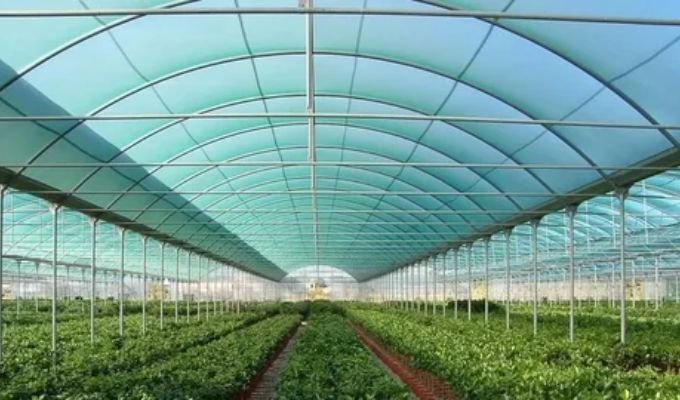
Shade nets are widely used across Dubai and the UAE for agriculture, landscaping, construction, parking areas, nurseries, greenhouses, and residential outdoor spaces. With the region’s intense sunlight, high UV exposure, and extreme summer temperatures, selecting the right shade net is not just about cost — it is about durability, performance, and long-term value.
Before purchasing shade nets from suppliers in Dubai, there are several critical factors you must evaluate to ensure you get the right product for your needs. Below are the 10 most important things to check.
1. UV Protection Rating
Dubai experiences strong ultraviolet radiation throughout the year. A high-quality shade net must offer effective UV stabilization to prevent rapid degradation.
Always confirm that the net is UV-treated and specifically designed for Middle Eastern climates. UV-stabilized nets last longer and maintain structural integrity even under prolonged sun exposure. Without proper UV protection, the net can become brittle, fade, and tear within months.
Ask the supplier about the UV percentage rating and product lifespan under UAE weather conditions.
2. Shade Percentage
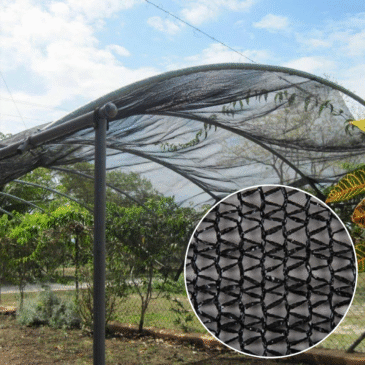
Shade nets come in different shading percentages such as 30%, 50%, 70%, 80%, and 90%. The right choice depends entirely on your application.
Lower shade percentages (30%–50%) are ideal for plant nurseries that require filtered sunlight. Medium shade (50%–70%) works well for greenhouses and parking areas. Higher percentages (80%–90%) are suitable for heavy sun-blocking applications like construction sites or privacy screening.
Confirm that the shading percentage aligns with your specific use case rather than selecting randomly based on price.
3. Material Quality
Most shade nets are made from high-density polyethylene (HDPE). However, not all HDPE materials are manufactured to the same quality standard.
Check whether the net is made from virgin HDPE rather than recycled material. Virgin material generally offers better strength, flexibility, and resistance to wear. Poor-quality material may stretch, sag, or tear quickly under tension or wind pressure.
In Dubai’s harsh climate, material quality directly impacts longevity.
4. GSM (Grams per Square Meter)
GSM indicates the density and weight of the fabric. A higher GSM generally means stronger and more durable netting.
For light agricultural use, moderate GSM may be sufficient. For construction scaffolding or parking shade structures, heavier GSM is recommended for better wind resistance and durability.
Always request the GSM specification and compare it across suppliers to ensure you are getting value for money.
5. Wind Resistance
Dubai occasionally experiences strong winds and sandstorms. A weak or loosely woven shade net can easily tear or detach if not designed for such conditions.
Check the tensile strength and weaving pattern. Knitted nets tend to be more flexible and resistant to tearing compared to woven alternatives. The installation method also plays a role, so ensure compatibility with proper fastening systems.
A supplier should be able to explain how the net performs under wind load.
6. Warranty and Lifespan
A reputable supplier in Dubai should offer a product warranty. While warranty terms may vary, high-quality shade nets often come with multi-year guarantees depending on the application.
Ask the supplier about:
- Expected lifespan in UAE climate
- Warranty coverage details
- Conditions that may void the warranty
If a supplier cannot provide clear information about durability and warranty, consider it a red flag.
7. Fire Retardant Properties
For commercial or construction use, fire safety compliance is crucial. Some shade nets are manufactured with fire-retardant properties to meet safety regulations.
If the net will be installed in public spaces, industrial areas, or near high-heat environments, confirm whether fire-retardant options are available and certified.
Safety compliance is especially important for contractors and commercial property owners in Dubai.
8. Customization Options
Different projects require different sizes, colors, and edge finishing. Before purchasing, check whether the supplier offers:
- Custom sizes
- Reinforced edges
- Eyelets for secure installation
- Color options
Green and black are common colors, but certain applications may benefit from specific shades for aesthetic or functional reasons.
Custom fabrication ensures a better fit and reduces waste.
9. Installation Support
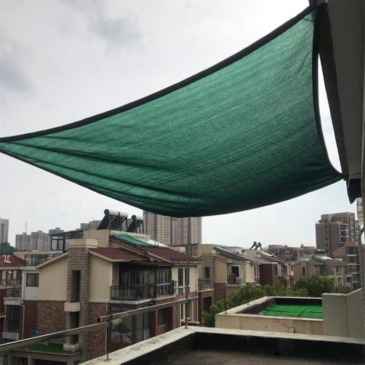
Even the best shade net can fail if installed incorrectly. Ask whether the supplier provides installation guidance or professional installation services.
Proper tensioning, secure anchoring, and correct spacing significantly affect durability. For large-scale projects such as parking areas or agricultural farms, professional installation may be necessary to ensure structural integrity.
A supplier with technical knowledge and support services adds significant value.
10. Supplier Reputation and Experience
Dubai has a wide range of shade net suppliers, but not all offer consistent quality. Research the supplier’s experience, project portfolio, and client feedback.
Established suppliers often have experience serving sectors such as agriculture, construction, landscaping, and industrial facilities. This experience ensures they understand local climate challenges and regulatory requirements.
Reliable suppliers should provide product specifications, samples, and transparent pricing. Avoid suppliers who cannot provide technical details or documented certifications.
Final Thoughts
Buying shade nets in Dubai requires careful evaluation of quality, performance, and suitability for the local climate. UV resistance, shade percentage, material strength, GSM, and wind durability are all essential considerations. Beyond product features, supplier reliability, warranty support, and installation expertise play a crucial role in ensuring long-term value.
By taking the time to assess these 10 factors, you can make a well-informed purchase that protects your investment, enhances functionality, and withstands the demanding environmental conditions of Dubai and the wider UAE.